
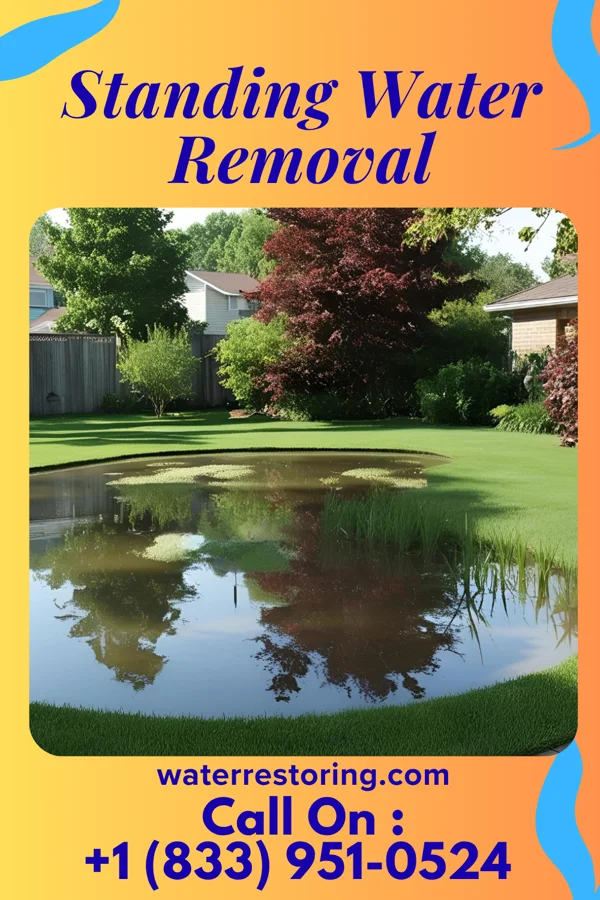
What Makes St. Paul Standing-Water-Prone
Living in St. Paul means dealing with In St. Paul, Virginia, water damage often stems from burst pipes in older homes, particularly during colder months when frozen pipes are more prone to bursting. Additionally, heavy rainfall in the surrounding rural areas can lead to localized flooding, especially near the nearby towns of Castlewood and Coeburn. sooner or later. A close second is Secondary causes include faulty sump pumps in basements, leaking roofs due to aging infrastructure, and improper drainage around properties in the rural outskirts of Ramsey. These issues are common in the area due to its low population density and older housing stock.. The good news: water damage is fully recoverable when you catch it fast and bring in certified technicians.
St. Paul's rural setting and proximity to mountainous terrain make it susceptible to sudden weather changes, including flash floods and severe storms. The region also experiences significant temperature fluctuations, increasing the risk of frozen pipes and subsequent water damage.
Most standing water removal calls in St. Paul come from In St. Paul, Virginia, water damage often stems from burst pipes in older homes, particularly during colder months when frozen pipes are more prone to bursting. Additionally, heavy rainfall in the surrounding rural areas can lead to localized flooding, especially near the nearby towns of Castlewood and Coeburn.. Running a close second is Secondary causes include faulty sump pumps in basements, leaking roofs due to aging infrastructure, and improper drainage around properties in the rural outskirts of Ramsey. These issues are common in the area due to its low population density and older housing stock.. Local mold risk: Mold growth in St. Paul can quickly become a serious issue due to the area's high humidity and frequent rainfall. Prompt water damage restoration is critical to prevent long-term structural damage and health risks from mold exposure.